State Procurement Services Division
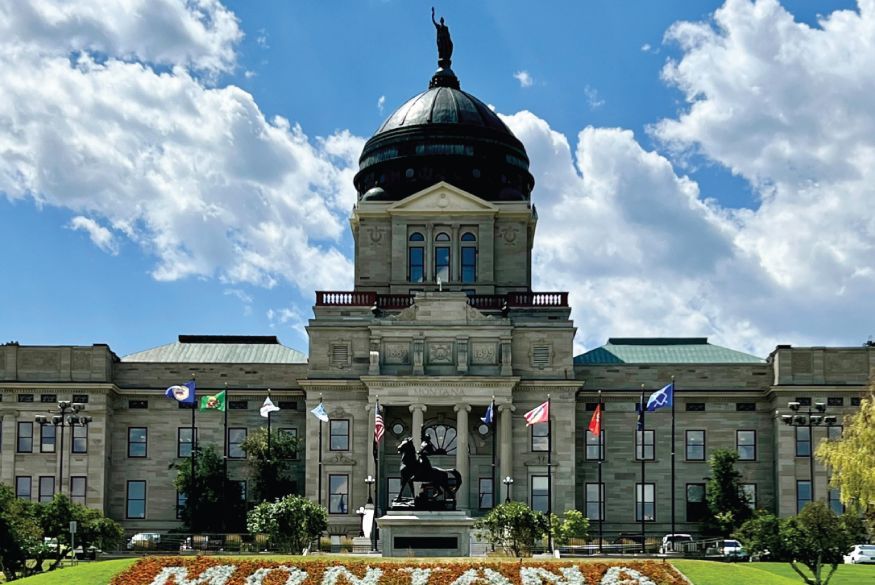
The State Procurement Services Division provides professional procurement services to all State agencies for the acquisition of supplies and services, ensures compliance with all State Statutes and procurement requirements, establishes statewide term contracts for commonly used goods and services, manages the State’s fuel and procurement card programs, and offers procurement training to State agencies. They also provide a central location for vendors interested in bidding on State projects and maintain the State’s registration and notification list for bidders.
State Bids & Proposals
SPSD Main Contact Information
| Phone | |
|---|---|
|
(406) 444-2575 |
Quick Links
Topics
The State Procurement Services Division promotes inclusiveness, diversity, fairness, and transparency while maximizing the value of public funds by leveraging cooperative contracts for the benefit of State agencies and Montana’s political subdivisions.
The links below will take you to information on the laws, rules, and policies that the Bureau utilize. For more information on the items listed below, contact the State Procurement Services Division.
- Montana Procurement Act
- Administrative Rules of Montana
- Administrative Rules Notices
- Fuel & PCard Programs
- UCC Article II: Sale of Goods
- Montana Operations Manual (MOM)
Executive Orders
Executive Order No. 03-2018 & 06-2018 Providing for Internet Neutrality Principles in State Procurement
After April 1, 2018, all state contracts and contract renewals for telecommunication services require prior written approval from the Department of Administration, State Information Technology Services Division (SITSD), and State Procurement Services Division (SPSD). Approval must be obtained through the Information Technology Procurement Request (ITPR) process.
- Executive Order 03-2018 Net Freedom
- Executive Order 06-2018 Amended Net Freedom
- MOM Policy - Internet Neutrality Principles in State Procurement
Executive Order No. 12-2016 Promoting Equal Pay for Montana Women
Executive Order No. 12-2016 promoting equal pay for Montana women directs the Department of Administration to include incentives in the RFP process for contractors who engage in best practices to promote wage transparency.
These best practices include the following:
- posting salary ranges in employment listings;
- certifying that the contractor will not ask about wage history in employee interviews; and
- certifying that the contractor will not retaliate or discriminate against employees who discuss or disclose their wages in the workplace.